
Presentation
CERCETARE FSECRI
Alături de educația academică, cercetarea științifică face parte din misiunea Universității Titu Maiorescu – instituție care se definește ca universitate de cercetare avansată și educație- și reprezintă o prioritate în cadrul Facultății de Științele Educației, Comunicare și Relații Internaționale.
Cercetarea științifică se desfășoară atât la nivelul departamentelor (Departamentul de Comunicare, Relații Publice și Limbi Străine; Departamentul de Relații Internaționale și Studii Europene; Departamentul de Specialitate cu Profil Psihopedagogic), cât și la nivelul centrelor de cercetare ale Facultății.
Facultatea de Științele Educației, Comunicare și Relații Internaționale cuprinde în structura sa următoarele centre de cercetare:
–Centrul de Studii în Comunicare și Relații Publice -CCSCRP– (pentru domeniul Științele Comunicării, programul de licență CRP și programul de master CIMO) este un centru de cercetare axat pe cercetare fundamentală și aplicată în domeniul comunicării, cu preponderență în domeniul relațiilor publice. Ca teme conexe, acest centru desfășoară de asemenea cercetări referitoare la eficientizarea procesului de însușire a limbilor străine, la publicitate și reclamă, la jurnalism, la lingvistică, cultură și literatură.
–Centrul de Cercetare în Relații Internaționale, Geopolitică și Studii de Securitate – CCRIGSS– (domeniul Relații Internaționale, Studii Europene, Studii de Securitate, programul de licență RISE și masterul RICS) se axează pe cercetare fundamentală și aplicată în domeniul relațiilor internaționale, cu preponderență în cel al relațiilor europene. Ca teme conexe, acest centru desfășoară, de asemenea, cercetări cu privire la arhitectura europeană, securitatea europeană și internațională, globalizare versus regionalizare, evoluțiile spațiului european.
–Centrul de Studii Lingvistice, Literare și Culturale -CSLLC– (pentru limbile străine, predarea limbii române și pentru Programul Pregătitor de Limba Română) este axat pe cercetarea fundamentală, în domeniile lingvistice și literare, cu preponderență în domeniul cultural. Ca teme conexe, acest centru desfășoară, de asemenea, cercetări cu privire la strategiile de cercetare literară, la cunoașterea și dezvoltarea societăților cunoașterii, la metodologiile și cercetarea literară, precum și altele.
Cele trei centre sunt reunite în Centrul de Cercetări Interdisciplinare în Științe Sociale, Politice și Umaniste (CCISSPU), care a fost înființat la începutul anului 2016 și care include și domeniul Științe ale Educației, din care fac parte programul de licență Pedagogia Învățământului Primar și Preșcolar, Departamentul de Specialitate cu Profil Psihopedagogic și cele două cursuri postuniversitare (Integrarea și incluziunea în sistemul de învățământ a copiilor cu cerințe educaționale speciale; Puericultura – dimensiune a educației antepreșcolare).
Având în vedere varietatea domeniilor științifice pe care le acoperă Facultatea de Științele Educației, Comunicare și Relații Internaționale, caracteristica esențială a Centrului de Cercetări Interdisciplinare în Științe Sociale, Politice și Umaniste (CCISSPU) constă în inter- și multi-disciplinaritate. Centrul CCISSPU s-a constituit ca o structură de cercetare specifică în cadrul Facultății de Științele Educației, Comunicare și Relații Internaționale, conexă acesteia, precum și în cadrul UTM. CCISSPU își desfășoară activitatea în baza prevederilor Legii educației naționale nr. 1/2011, a Ordonanței Guvernului nr. 6/2011 pentru modificarea și completarea Ordonanței Guvernului nr. 57/2002 privind cercetarea științifică și dezvoltarea tehnologică, a Ordinului nr. 3794/2011 privind înființarea Consiliului Național al Cercetării Științifice, precum și pentru aprobarea regulamentului de organizare și funcționare a acestuia, a Legii nr. 319/2003 privind Statutul personalului de cercetare-dezvoltare, a Legii nr. 324/2003 privind cercetarea științifică și dezvoltarea tehnologică, cu modificările și completările ulterioare, dar și a documentelor interne precum Strategia de Cercetare a Universității Titu Maiorescu și Strategia de Cercetare a Facultății de Științele Educației, Comunicare și Relații Internaționale. Centrul este construit, în format inter-instituțional, subordonându-se macro-structurilor de cercetare de la nivelul UTM.
Programul de cercetări științifice al Facultății de Științele Educației, Comunicare și Relații Internaționale
O altă coordonată de dezvoltare a cercetării științifice în Facultatea de Științele Educației, Comunicare și Relații Internaționale o reprezintă organizarea de manifestări științifice, care să antreneze cadrele didactice interne și externe, membrii corpului academic și cercetători din țară și din străinătate. Manifestările în cauză acoperă o gamă largă a diversității și a tematicii științifice: conferințe internaționale, simpozioane, workshop-uri, seminare, mese rotunde, dezbateri etc. Toate aceste manifestări sunt centralizate în Programul de cercetări științifice al Facultății, comunicat anual Institutului de Studii, Cercetare, Dezvoltare și Inovare al Universității Titu Maiorescu.
PLAN DE CERCETARE AL FACULTĂȚII DE ȘTIINȚELE EDUCAȚIEI, COMUNICARE ȘI RELAȚII INTERNAȚIONALE
2025-2026
Nr. crt. | Tema de cercetare ştiinţifică | Sursa de finanţare | Perioada de realizare | Responsabil |
1 | Comunicare digitală: univers, instrumente, strategii și efecte sociale | Internă | 2025-2026 | Prof.univ.dr. Sorin Ivan |
2. | Comunicarea publică prin rețele sociale și medii convergente | Internă | 2025-2026 | Lect.univ. dr. Iulia Anghel |
3. | Implicarea ICT și a Inteligenței Artificiale în educație, cercetare și cunoaștere | Internă | 2025-2026 | Lect.univ. dr. Gabriela Popescu University lecturer Dr. Cristina Marghioala |
5. | Social-media și noi abordări în domeniul PR | Internă | 2025-2026 | Prof. Dr. George David University Professor, Doctor. Maria Cernat |
7. | Conexiuni și convergențe lingvistice și culturale. Limbă, istorie, cultură și civilizație românească în procesul de internaționalizare a studiilor academice | Internă | 2025-2026 | University Professor, PhD, Sorin Ivan University Professor, Doctor. Mădălina Deaconu University Professor, Doctor. Alice Popescu University lecturer Dr. Johana Holt |
8. | Impactul ideologiilor contemporane asupra învățământului superior | Internă | 2025-2026 | University Lecturer Dr. Iulia Anghel University lecturer Dr. Cristina Marghioala University lecturer Dr. Adriana Sauliuc |
10. | Multilingvism și multiculturalism în lumea de azi | Internă | 2025-2026 | University Professor, Doctor. Mădălina Deaconu University Professor, Doctor. Alice Popescu University lecturer Dr. Johana Holt |
11. | Învățarea limbilor străine și noile tehnologii | Internă | 2025-2026 | University Professor, Doctor. Mirela Radu University lecturer Dr. Ana Birtalan Asist. univ. dr. Alexandra Rogoz |
12. | Provocări în domeniul securității la nivel internațional | Internă | 2025-2026 | University lecturer Dr. Adriana Sauliuc University lecturer Dr. Oana Brânda |
14. | Globalizare și deglobalizare. Procese, evoluții și tendințe | Internă | 2025-2026 | University Professor Dr. Teodor Frunzeti University lecturer Dr. Eugen Lungu |
15. | Educația timpurie și noua viziune a procesului formării | Internă | 2025-2026 | Prof.univ.dr. Octavia Costea Lect.univ.dr. Corina Costache Lect.univ.dr.Ileana Ionescu |
16. | Integrare și incluziune în sistemul de învățământ. Politici și strategii educaționale | Internă | 2025-2026 | Prof.univ.dr. Octavia Costea Lect.univ.dr. Manuela Cazan |
17. | Profesionalizarea academică a carierei didactice în cadrul reformei educației | Internă | 2025-2026 | University Professor, PhD, Sorin Ivan University Professor Dr. Puiu Mihai |
18. | Formarea didactică în universități. Departamentul de Pregătire a Personalului Didactic, Masteratul Didactic: evoluții și perspective | Internă | 2025-2026 | University Professor Dr. Puiu Mihai University lecturer Dr. Manuela Cazan |
19. | Strategii și metode de dezvoltare a creativității în educație | Internă | 2025-2026 | University Professor Dr. Octavia Costea Lect.univ.dr. Corina Costache |
20. | Reziliența emoțională în pedagogia învățământului primar | Internă | 2025-2026 | Lect.univ.dr. Corina Costache Lect. univ. dr.Ruxandra Paraschiv |
21. | Rolul educației fizice în învățământul superior și în dezvoltarea complexă a studenților | Internă | 2025-2026 | Conf.univ.dr. Adrian Urichianu |
22. | Educația fizică în universități. Evoluții, provocări și tendințe | Internă | 2025-2026 | Conf.univ.dr. Adrian Urichianu |
PROGRAMUL MANIFESTĂRILOR ŞTIINŢIFICE ORGANIZATE DE FACULTATEA DE ȘTIINȚELE EDUCAȚIEI, COMUNICARE ȘI RELAȚII INTERNAȚIONALE, UNIVERSITATEA TITU MAIORESCU
2025-2026
Item No. | Topic manifestării ştiinţifice | Organizator | Perioada | Observaţii |
1. | Conferință științifică: „Educația și cercetarea în era cunoașterii și a tehnologiei digitale” | Universitatea „Titu Maiorescu” din Bucureşti, Facultatea de Ştiinţele Educației, Comunicare şi Relaţii Internaţionale |
Februarie 2026 |
– |
2. | Conferință științifică: „Comunicarea în era ICT și a Inteligenței Artificiale. Influențare, manipulare, război informațional și inginerie socială” | Universitatea „Titu Maiorescu” din Bucureşti, Facultatea de Ştiinţele Educației, Comunicare şi Relaţii Internaţionale |
Martie 2026 |
– |
3. |
Conferință științifică: „Rolul diplomației în cooperarea și securitatea internațională” | Universitatea „Titu Maiorescu” din Bucureşti, Facultatea de Ştiinţele Educației, Comunicare şi Relaţii Internaţionale |
Aprilie 2026 |
– |
4. | Conferință științifică: „Învățarea limbilor străine cu ajutorul inteligenței artificiale” | Universitatea „Titu Maiorescu” din Bucureşti, Facultatea de Ştiinţele Educației, Comunicare şi Relaţii Internaţionale |
Aprilie 2026 |
– |
5. | Conferință științifică: „Educație digitală și inteligență artificială în formarea didactică la nivel universitar și post-universitar” |
Universitatea „Titu Maiorescu” din Bucureşti, Facultatea de Ştiinţele Educației, Comunicare şi Relaţii Internaţionale |
Mai 2026 |
– |
6. | Conferință științifică: „Diversitate, multiculturalism and identitate națională. Ciocnirea civilizațiilor în era digitală” | Universitatea „Titu Maiorescu” din Bucureşti, Facultatea de Ştiinţele Educației, Comunicare şi Relaţii Internaţionale |
8 Mai 2026 |
– |
7. | Conferința Internațională de Științele Educației (CISE IV) Teme majore de orientare a cercetării: · Implicarea ICT și a Inteligenței Artificiale în educație, cercetare și cunoaștere · Reziliența emoțională în pedagogia învățământului primar · Profesionalizarea academică a carierei didactice în cadrul reformei educației · Educația timpurie și noua viziune a procesului Formării · Strategii și metode de dezvoltare a creativității în educație · Integrare și incluziune în sistemul de învățământ. Politici și strategii educaționale Educație prin artă
|
Universitatea „Titu Maiorescu” din Bucureşti, Facultatea de Ştiinţele Educației, Comunicare şi Relaţii Internaţionale |
15 – 16 Mai 2026 |
– |
8. | Conferință științifică: „Inteligența artificială implicată în cercetarea științifică a sportului” | Universitatea „Titu Maiorescu” din Bucureşti, Facultatea de Ştiinţele Educației, Comunicare şi Relaţii Internaţionale |
Iunie 2026 |
– |
9. |
Conferință științifică: „Educație, leadership și transformare digitală” | Universitatea „Titu Maiorescu” din Bucureşti, Facultatea de Ştiinţele Educației, Comunicare şi Relaţii Internaţionale |
Iunie 2026 |
– |
10. | Conferință științifică: „Formarea didactică avansată în universitatea digitală. Departamentul de Pregătire a Personalului Didactic, Masteratul Didactic – perspective actuale” | Universitatea „Titu Maiorescu” din Bucureşti, Facultatea de Ştiinţele Educației, Comunicare şi Relaţii Internaţionale |
Octombrie 2026 |
– |
11. | Conferință științifică: „Rolul diplomației culturale în cooperarea și securitatea internațională” | Universitatea „Titu Maiorescu” din Bucureşti, Facultatea de Ştiinţele Educației, Comunicare şi Relaţii Internaţionale |
Octombrie 2026 |
– |
12. | Conferinţa Internaţională: „Educaţie and creativitate to o societate bazată pe cunoaştere” – Ediţia a XX-a Secțiune: · Comunicare, relaţii internaţionale, limbă, cultură şi civilizaţie. științele educației Educaţie, comunicare şi diplomaţie – de la război la pace |
University „Titu Maiorescu” din Bucureşti, Consiliul pentru Cercetare Științifică, Institutul de Studii, Cercetare, Dezvoltare şi Inovare, Institutul de Cercetări Medicale „Nicolae Cajal”, Facultățile din cadrul UTM
Parteneri: Academia Română, Academia Oamenilor de Știință din România. |
19 – 21 Noiembrie 2026 |
– |
13. |
Conferință științifică: „Crizele lumii contemporane. Procese, soluții, perspective” | Universitatea „Titu Maiorescu” din Bucureşti, Facultatea de Ştiinţele Educației, Comunicare şi Relaţii Internaţionale |
Noiembrie 2026 |
– |
14. | Conferința internațională de Științe sociale, politice și umaniste, Ediția a XIII-a Secțiuni: · Communicate and Relații Publice; · Relationships International and Studii Europene; · Științele educației; · Limbi străine; · Studii culturale, multiculturalism, multilingvism. |
Universitatea „Titu Maiorescu” din Bucureşti, Facultatea de Ştiinţele Educației, Comunicare şi Relaţii Internaţionale |
Decembrie 2026 |
– |
Notă. Manifestările științifice se vor desfășura în sistem hibrid (fizic şi online), utilizând platforma Microsoft Teams.
Dezvoltarea cercetării științifice este orientată către realizarea, în cadrul Facultății de Științele Educației, Comunicare și Relații Internaționale, a unui spațiu al creativității și inovării științifice, al dialogului și al schimbului de idei, un pol al producerii și transferului de cunoaștere competitivă în Universitatea Titu Maiorescu și, în perspectivă, în mediul academic românesc.
Research Plans
RESEARCH STRATEGIES:
RESEARCH PLANS:
- Center for Communication and Public Relations
- Center for Linguistic, Literary, and Cultural Studies
- Department of International Relations and European Studies
- The Research Centre for International Relations, Geopolitics, and Security Studies
- Interdisciplinary Research Center in Social, Political, and Human Sciences
- Plan de cercetare RISE 2025
- Plan de cercetare RISE 2026
Plan cercetare Centrul de Cercetări Interdisciplinare în Stiințe Sociale, Politice și Umaniste
Research projects
Toggle Content
Scientific events
A major European scientific event,
under the sign of academic excellence:
International Conference on Educational Sciences
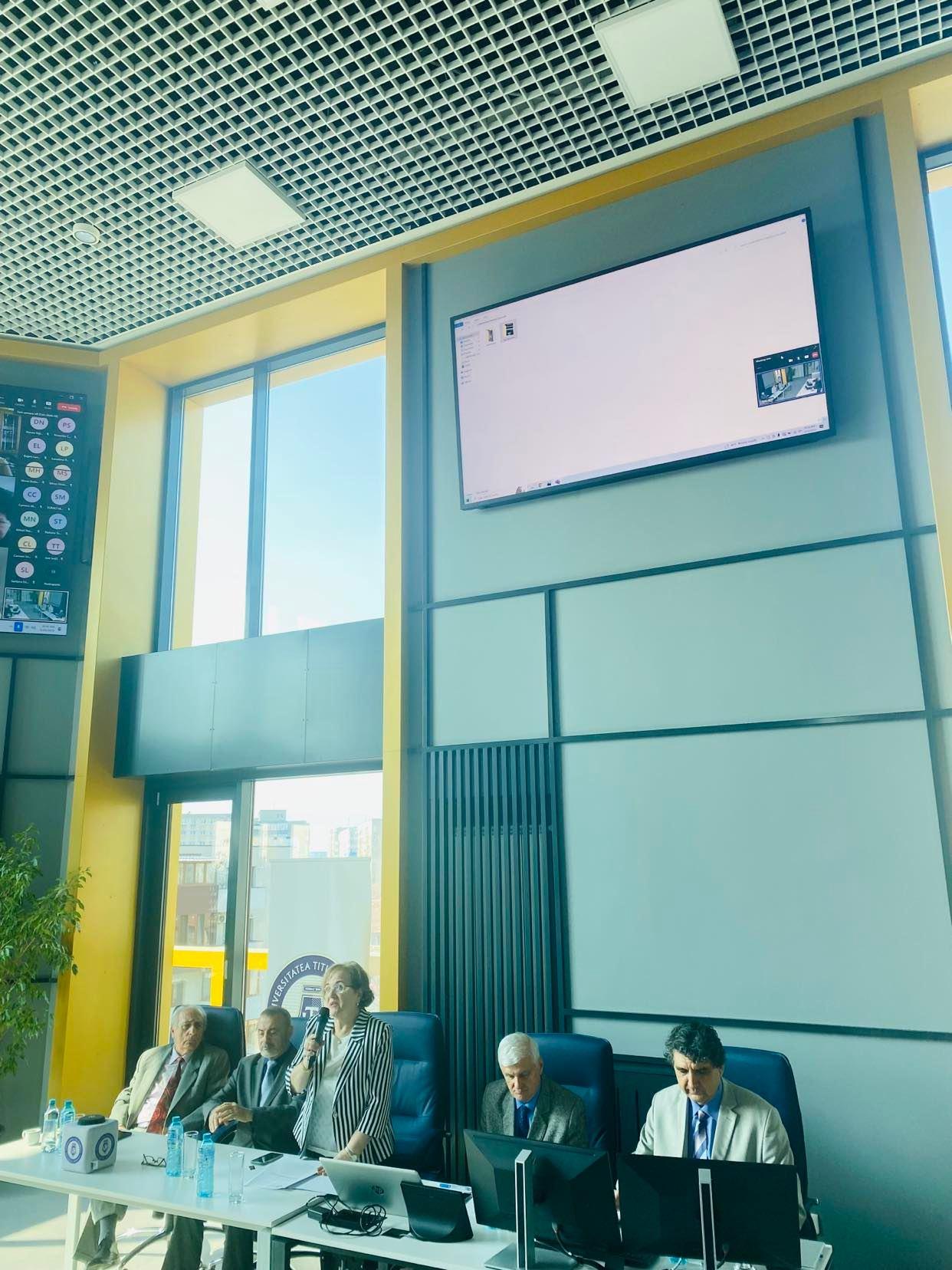
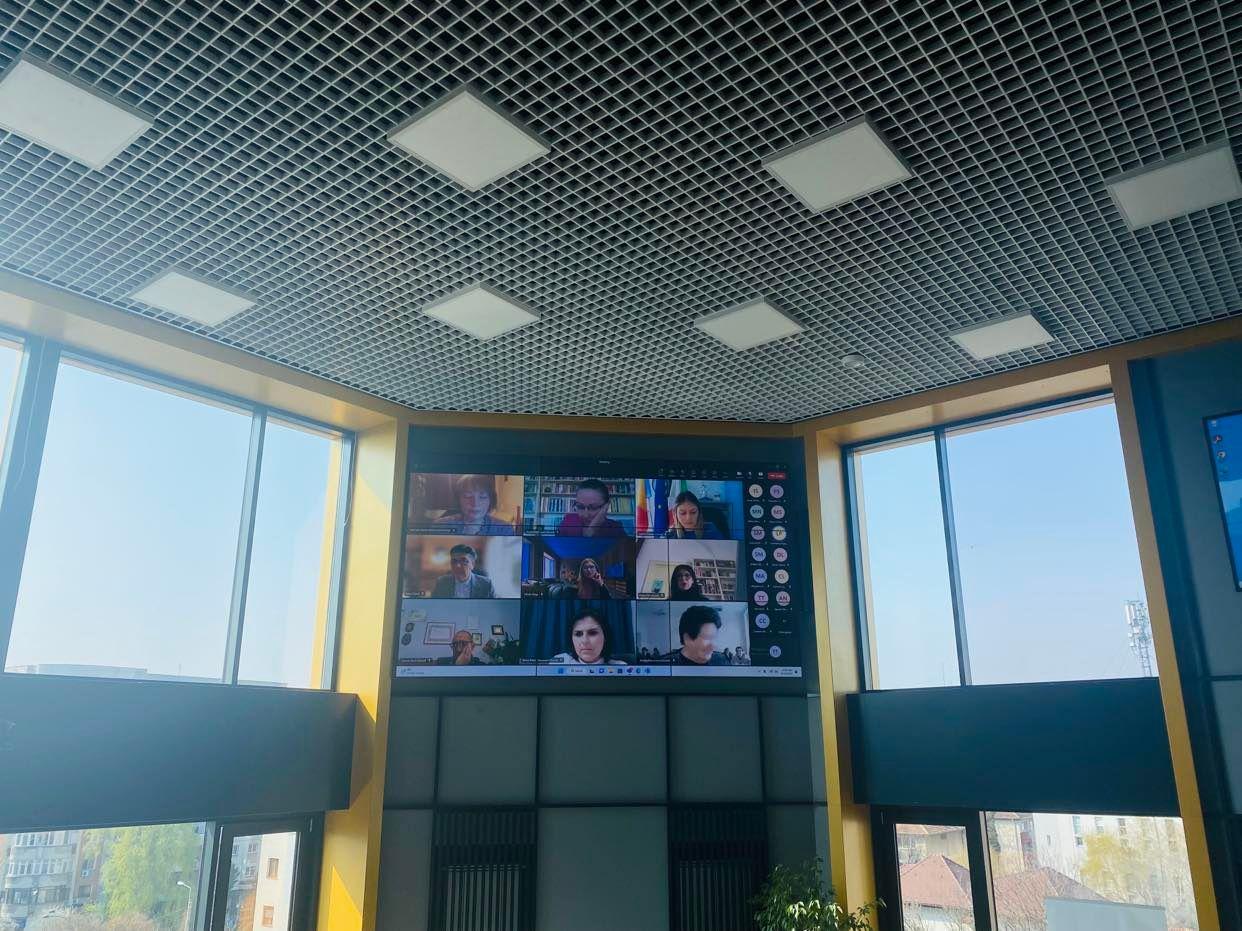
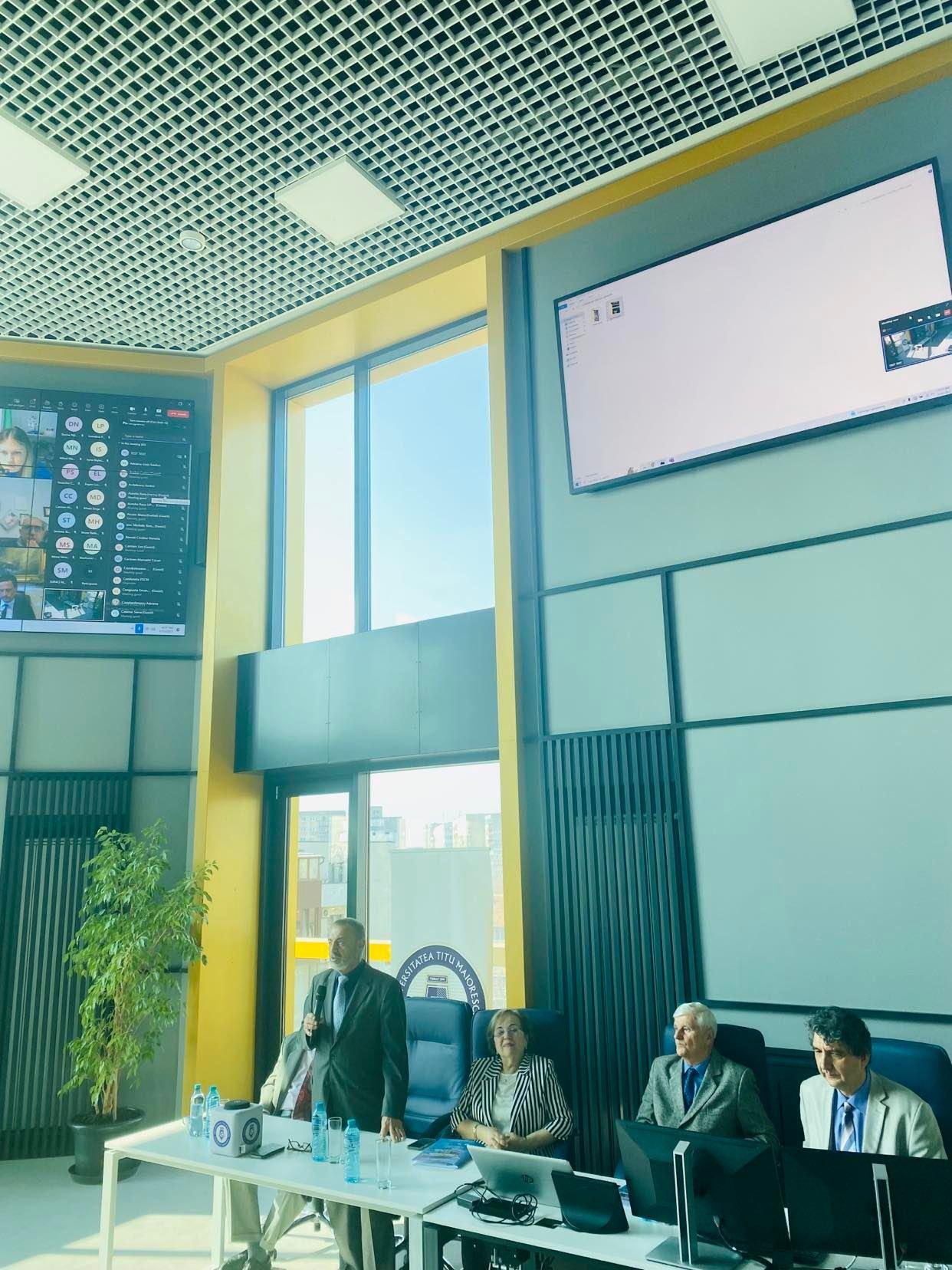
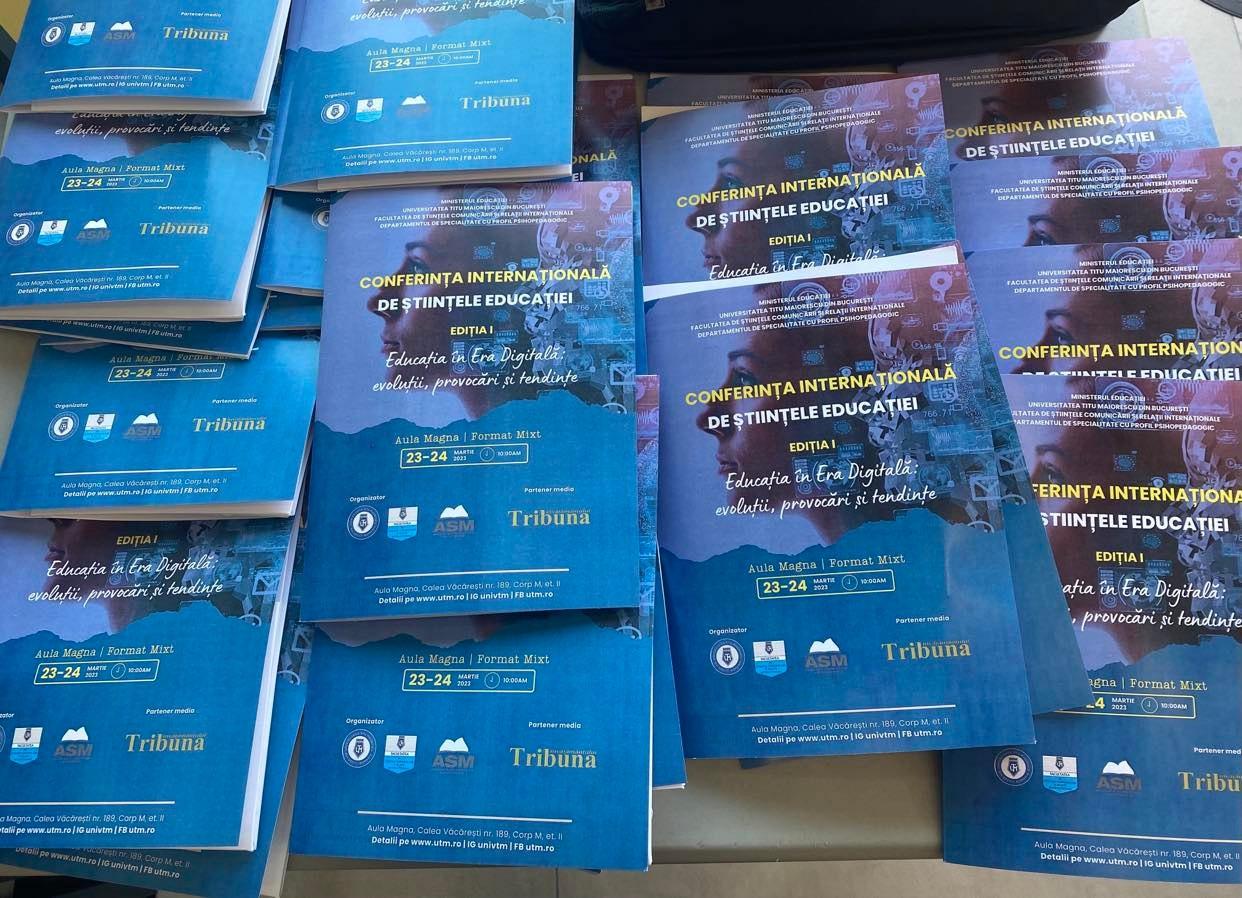
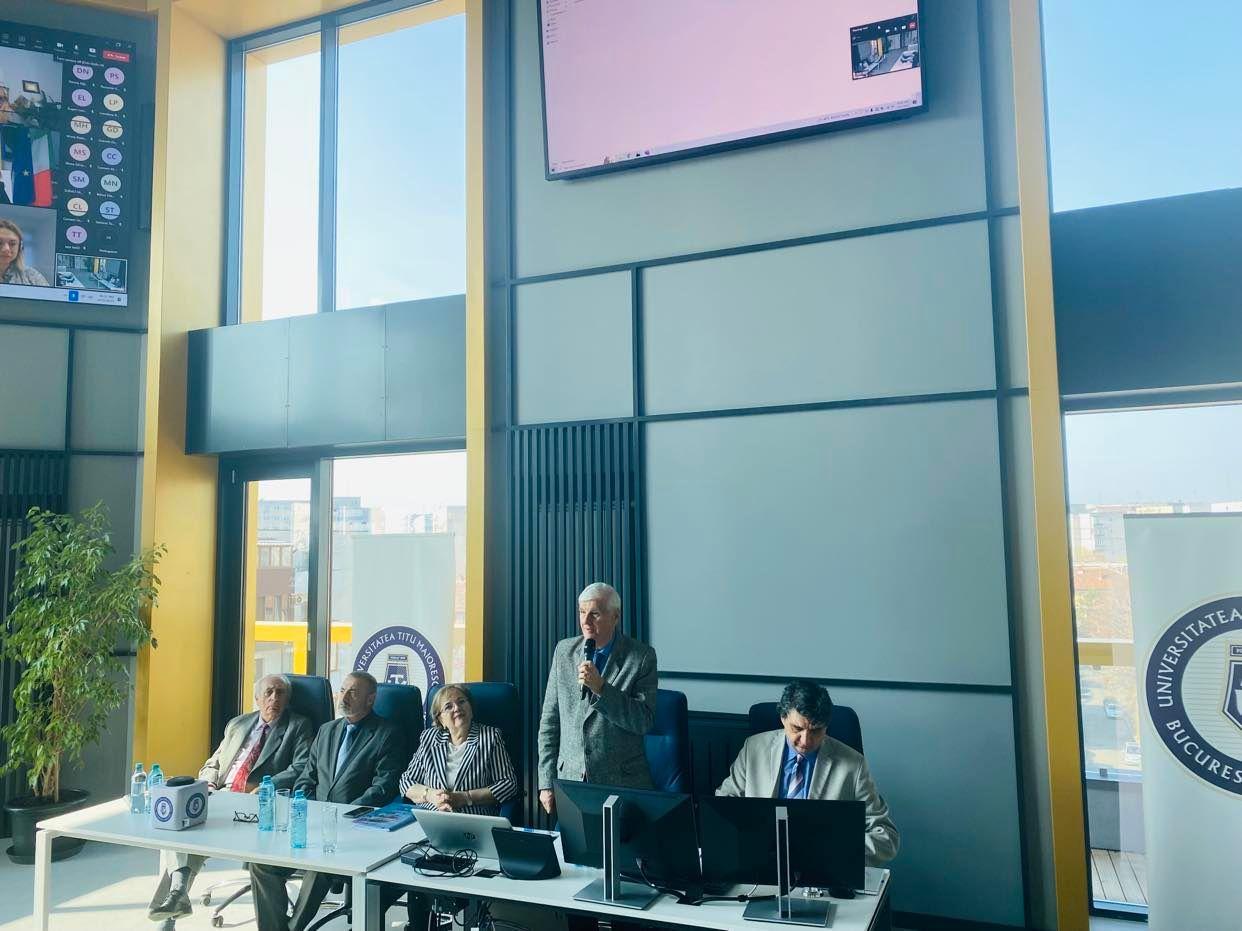
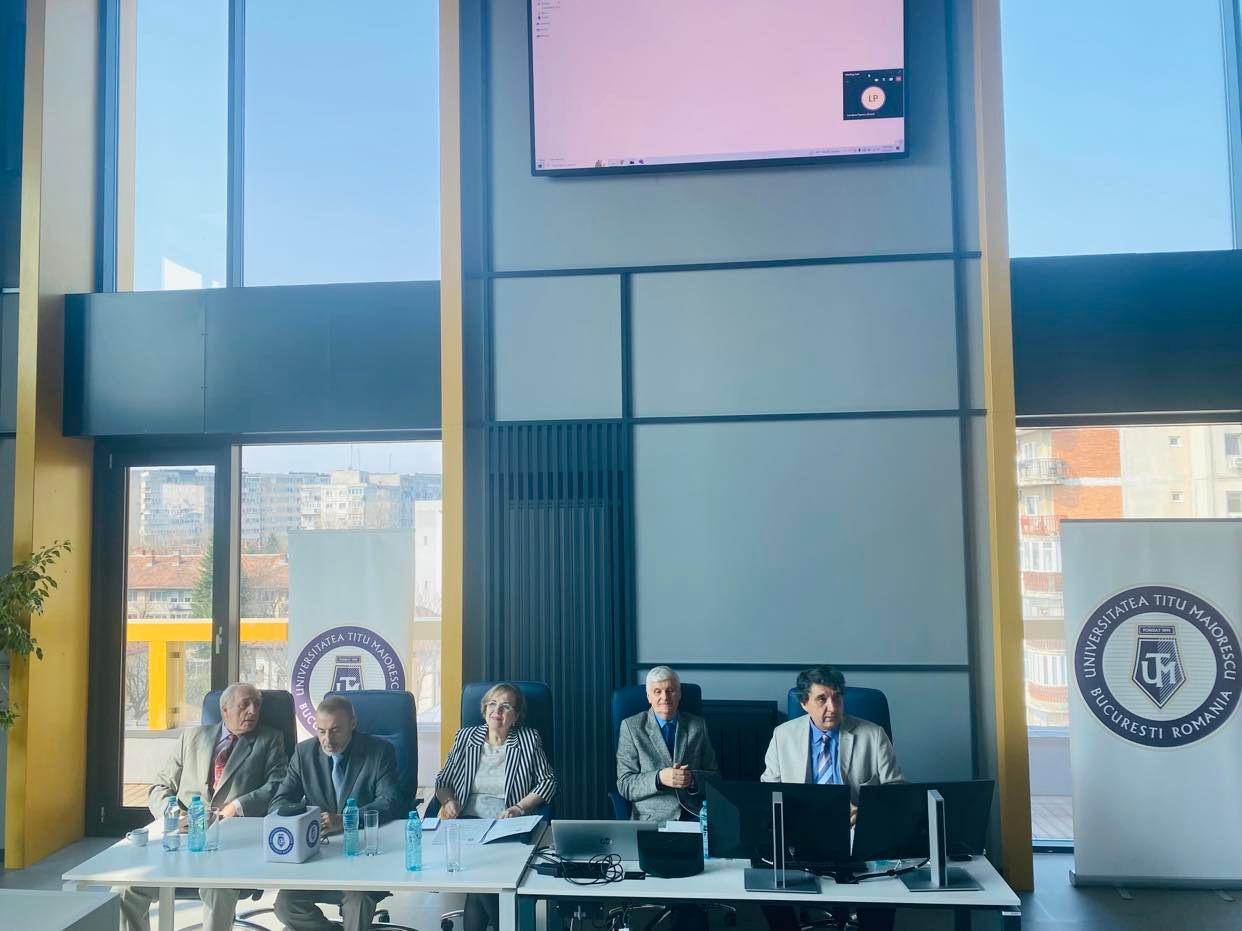
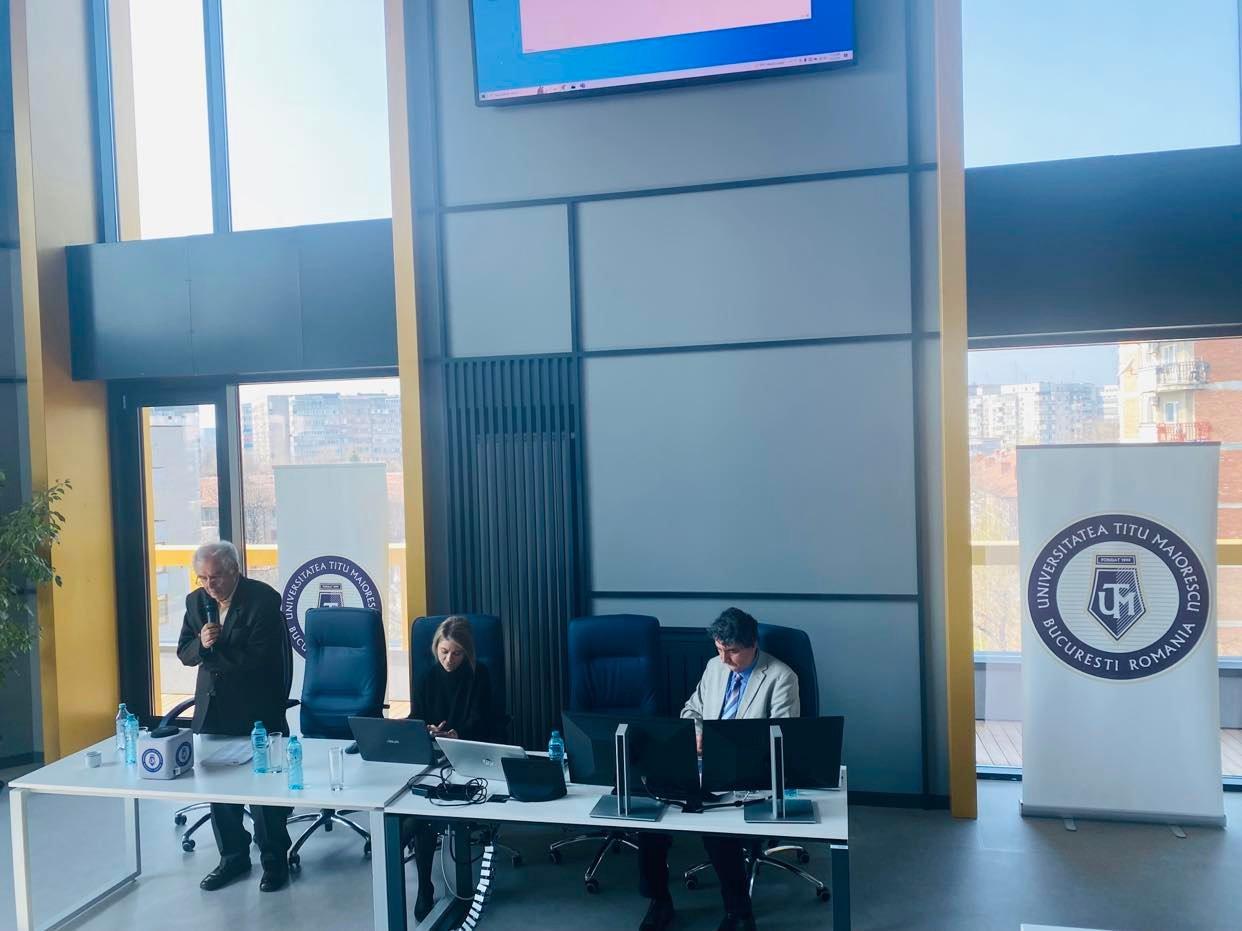
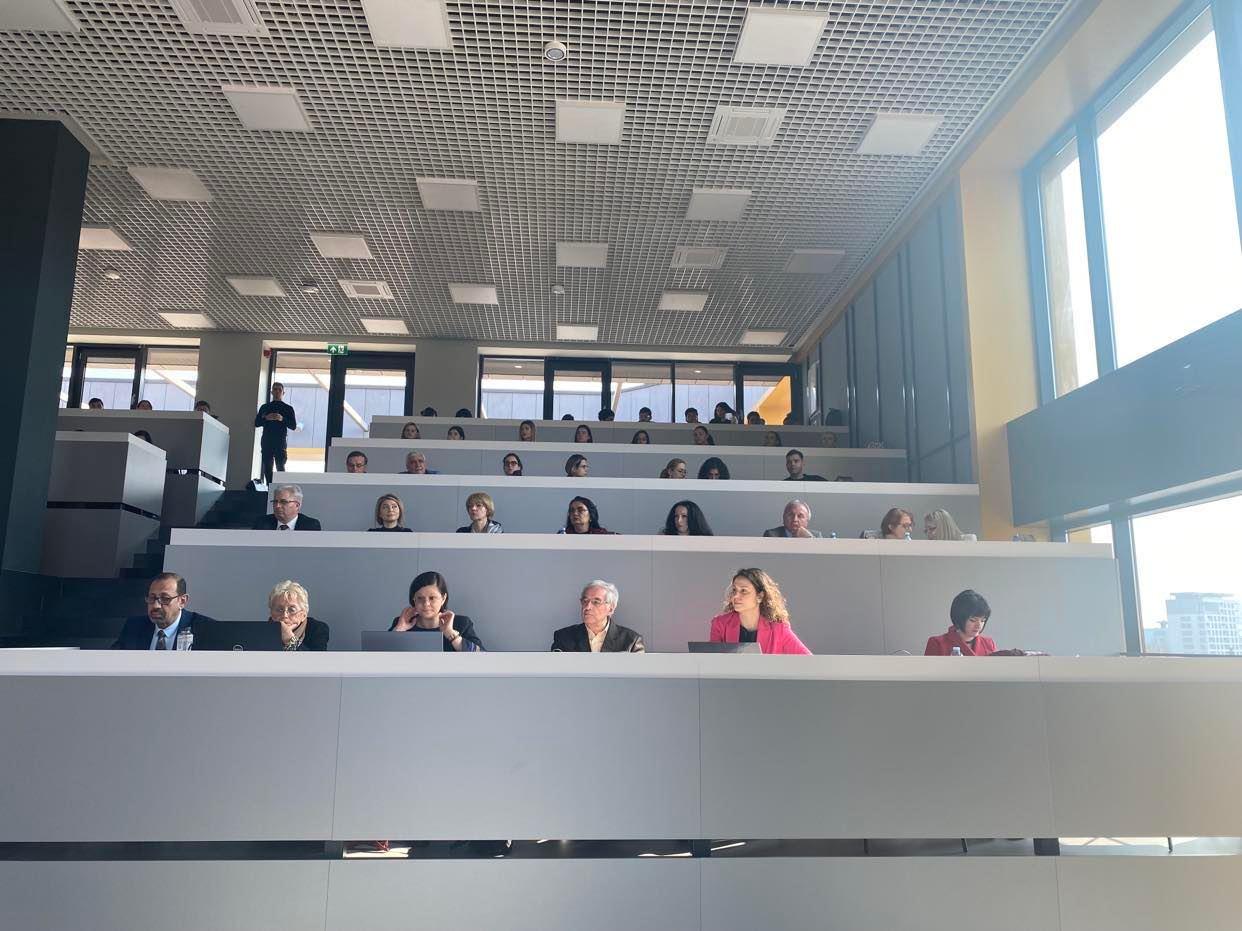
On 03.23.2023, took place International Conference on Educational Sciences, 1st Edition, organized by Faculty of Educational Sciences, Communication and International Relations of Titu Maiorescu University in Bucharest. The first edition was presented under the banner of current events and perspective: Education in the Digital Age – developments, challenges, and trends. The event was aimed at education specialists, university faculty, researchers, doctors, doctoral students, and master's students in educational sciences from relevant faculties and Departments for Teacher Training. It was also open to pre-university education teachers and other participants from educational and research environments. The event took place in the Mediateca Hall of Titu Maiorescu University, in both physical and online formats, and was attended by a select group from Romania and abroad, both in the elegant multifunctional space of the University and in the virtual environment. The media partner of CISE I was the magazine Education Tribune.
The conference was structured into Plenary Session and Parallel Sessions and it has formed a framework for the specialized scientific and interdisciplinary approach to fundamental themes, both at the theoretical and conceptual level, as well as practical in relation to the reality of teaching, with transformations, processes, and developments in education: Theoretical and Conceptual Developments in Educational Sciences; Curriculum Design and Trends; Teacher Training in Universities; Technology Integration in the Educational Process; Digital Competencies in Education; Teaching Strategies, Methods, and Experiences; The Science and Art of Teaching; Traditional Learning, Digital Learning; Educational Paradigms; Psychopedagogical, Inter-, and Transdisciplinary Intersections in Educational Theory and Practice; Pedagogical Practice; Ethics, Deontology, and Integrity in Education; Counseling and Guidance; Inclusive Education; Child Social Assistance and Protection; Formal, Non-formal, and Informal Education; Lifelong Learning; Continuing Professional Development; Current Approaches and Trends in Assessment; Educational Management; Educational Programs and Projects; Didactic Master's Degree – DPPD; Educational Policies. The themes, covering a wide diversity specific to the vast field of education, were grouped into three sections: Theories and curriculum; Didactics and evaluation; Educational management (Section I); Interdisciplinary approaches; Counseling and guidance; Continuing education (Section II); Interface CrEgg-Computer in Education (Section III). Through the themes related to digital transformation in education, within the general topic, and through the third section, the Conference was positioned within avant-garde academic debate, processes, and developments in the educational space.
The Plenary Session Elite figures in academic education and scientific research participated, physically and online. These included renowned names in Educational Sciences, teaching, science, and culture, joined by personalities from abroad (Italy, Spain, France, Cyprus, Republic of Moldova). Among the Romanian speakers in the Plenary session were: Academician Mircea Dumitru, Vice-President of the Romanian Academy, President of the Philosophy, Theology, Psychology and Pedagogy Section, Director of the „Constantin Rădulescu-Motru” Institute of Philosophy and Psychology of the Romanian Academy, Prof. univ. dr. Emil Păun, Prof. univ. dr. Ioan Neacșu, Prof. univ. dr. Marin Manolescu, Prof. univ. dr. Sorin Cristea, Prof. univ. dr. Romiță Iucu, Prof. univ. dr. Ion-Ovidiu Pânișoară, Prof. univ. dr. Mușata-Dacia Bocoș.
Speakers from Plenary Session addressed Major themes of current education, which focused on developments and trends in European and national university and pre-university education, the need to redefine and adapt education to the demands of the Knowledge Society and the Digital Age, the change processes involving universities, the transformations in the Romanian education system, specific aspects related to the teaching profession and the status of teachers, fundamental values, ethics and integrity, the acute need for modernization and efficiency of education under the imperative of quality, as well as curricular policies and trends, teaching approaches, evaluation, educational management, and continuous training. Transformations and developments in the Romanian educational system were analyzed, along with the direction of change in education, highlighting sensitive aspects and critical points, necessary requirements, difficulties, challenges, and possible solutions in the highly complex process of change. Framed within Thematic and innovative spirit of the Conference, The interventions by foreign speakers addressed themes related to developments in education at the European level, new learning paradigms, interdisciplinary strategies and approaches, as well as the challenges faced by educational systems and the need to optimize them within the European framework of educational vision and values. The lectures in the Plenary Session were notable for their vision, scope, and erudition, for their objective, lucid, and realistic approach, in the spirit of constructive criticism aimed at developing education as a system and process marked by quality, efficiency, and performance. The debate in Plenary continued in Parallel Sessions, through papers that addressed the themes proposed by the Conference and topics derived from them, in a broad thematic diversity, within the ample framework of the modernization of education with the involvement of digital technology. Remarkable are both the large number and variety of communications, as well as their quality and academic level. The papers will be included in volume of proceedings at the Conference, which will be edited at an academic press.
The first edition of International Conference on Educational Sciences It was a true academic marathon under the banner of quality and scientific excellence, supported by a prestigious participation. The conference, born out of the objective need to create a comprehensive framework for scientific expression and qualified debate at the highest academic standards on the topic of Education, constituted an elite space for scientific dialogue, elevated exchange of ideas, and European-level knowledge transfer. Judging by the participation, content, and the national and international feedback already received, CISE I was academic success, ; which will be continued in future editions.
The Communication and Public Relations Office of Titu Maiorescu University in Bucharest
25.03.2023

International Conference 2022
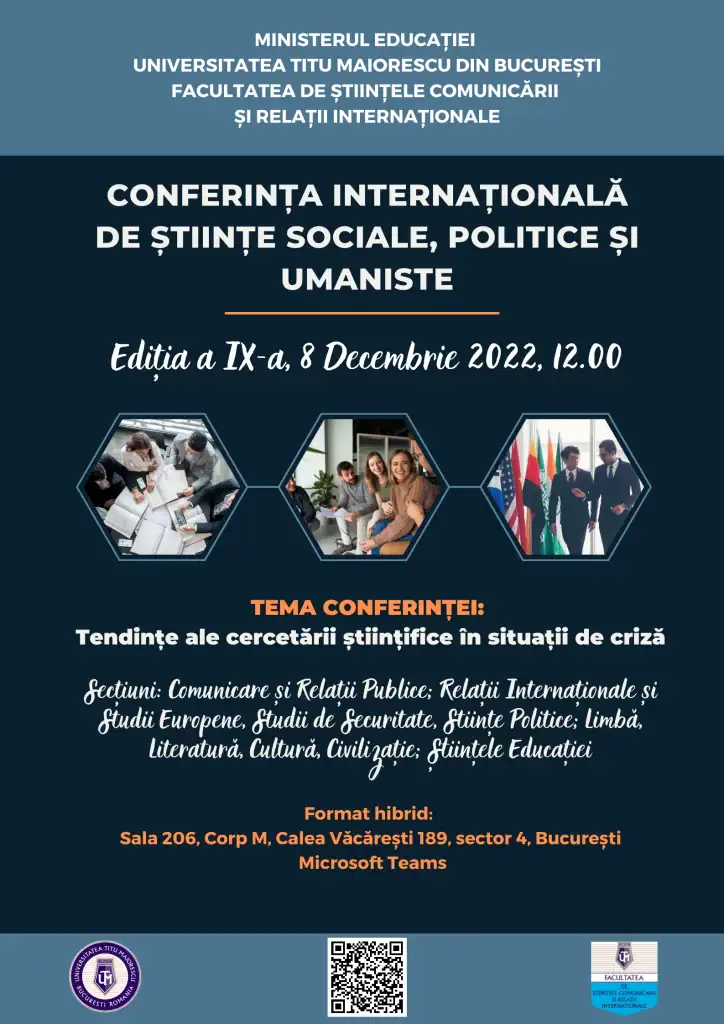
INTERNATIONAL CONFERENCE
OF SOCIAL, POLITICAL AND HUMAN SCIENCES
December 8, 2022, 9th Edition
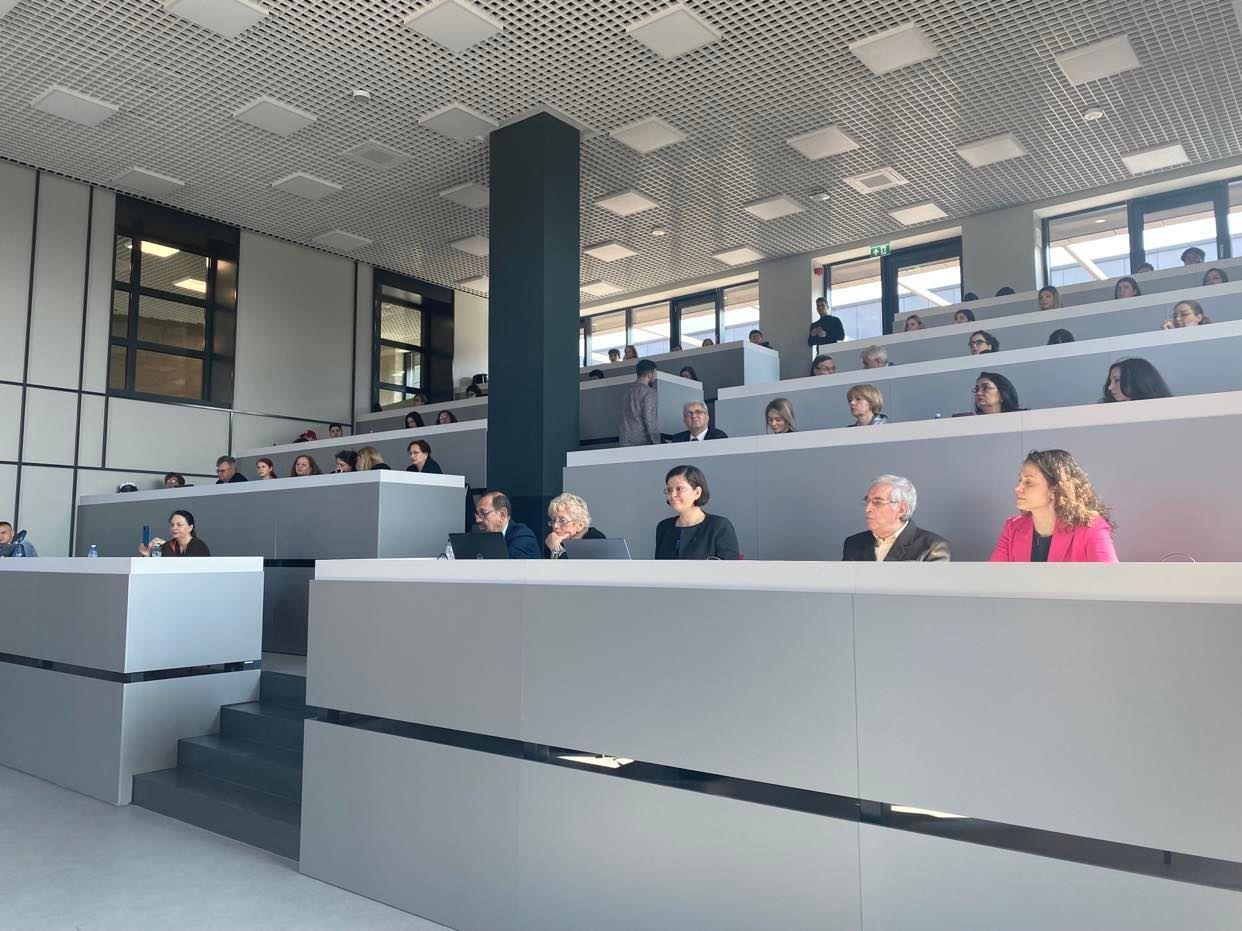
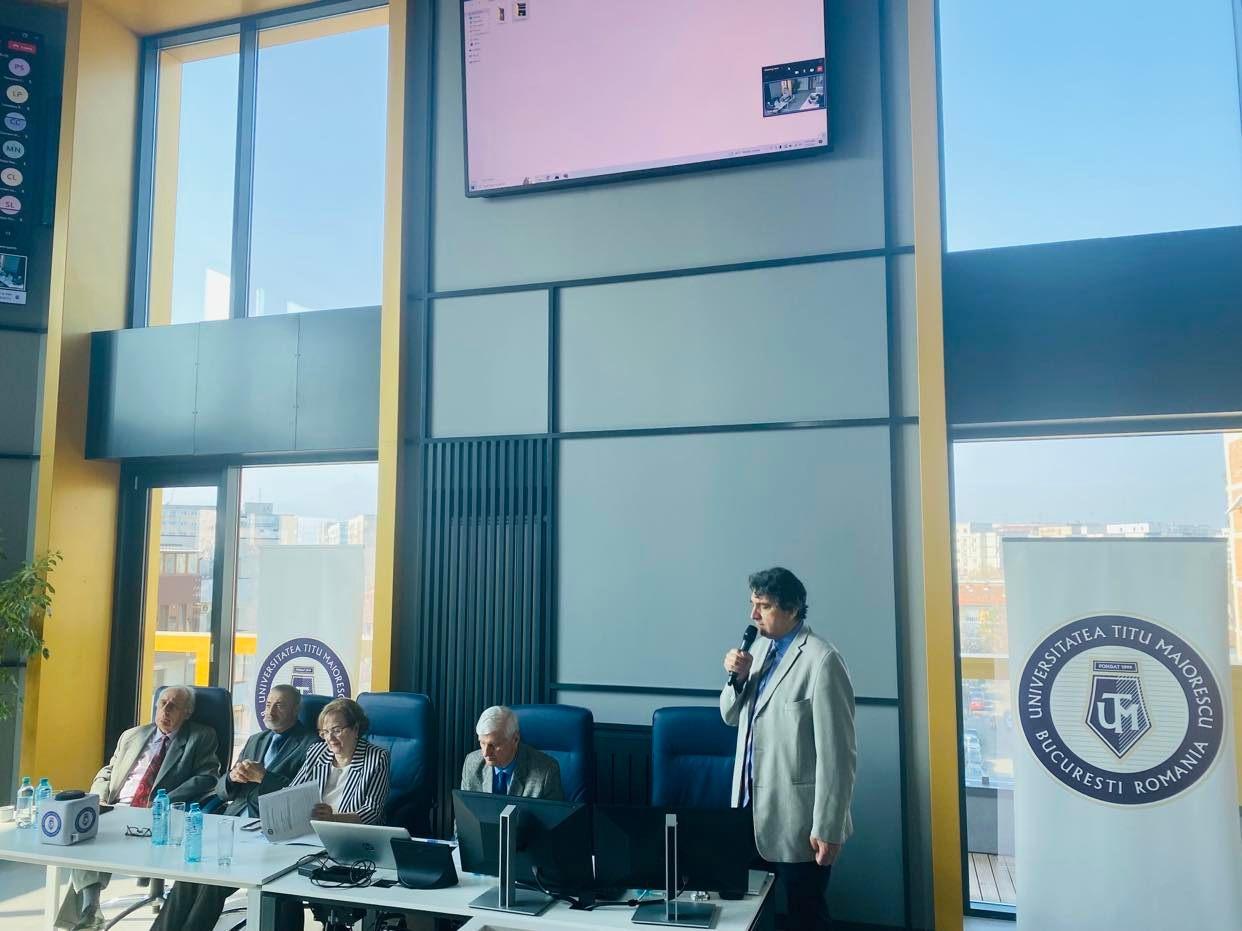
Faculty of Communication Sciences and International Relations Titu Maiorescu University of Bucharest organizes International Conference on Social, Political, and Human Sciences, the 9th edition, a major scientific event, covering fundamental areas of education and research.
The event will take place in physical format (Building M, 2nd floor, Room 206, Calea Văcărești, 189, Sector 4, Bucharest) and online (Microsoft Teams platform) on December 8, 2022, starting at 12:00 PM, under the theme: Trends in Scientific Research in Crisis Situations.
The conference is structured into four sections:
- Communication and Public Relations;
- International Relations and European Studies, Security Studies, Political Science;
- Language, Literature, Culture, Civilization;
- Educational Sciences
International Conference on Social, Political, and Human Sciences It constitutes an academic framework for communicating the most relevant scientific research results, a space for innovative ideas and perspectives, and for interdisciplinary and transdisciplinary dialogue in education, research, and knowledge.
The scientific papers included in the program will be published in the volume of proceedings at the Conference.
University Prof. Dr. Sorin IVAN
Decan
Faculty of Communication Sciences and International Relations
Titu Maiorescu University of Bucharest
CONFERENCE INFORMATION:
Deadline for abstract submission: December 6, 2022. Conference participation fee: 150 RON per paper. One author can participate with a maximum of two papers. Deadline for full-text paper submission: December 19, 2022.
The fee will be paid into the account of Titu Maiorescu University RO49RNCB0546029228350001, opened at BCR, Tax Code 4337662 or The Cashier's Office of Titu Maiorescu University, located at Dâmbovnicului Street, no. 22, Sector 4, Bucharest. The payment document must include the mention „FSCRI 2022 Conference”.
The papers will be written in English, in compliance with the Conference's editing guidelines.
Editing Conditions
Page - Orientation: PORTRAIT; Paper size: A4; Top: 2.5 cm;
Bottom: 2 cm; Left: 2.5 cm; Right: 2.5 cm
- TITLE OF THE PAPER.
Free space
- Name(s) of the author(s) (Times New Roman, size 12, Bold, Left alignment), followed by the author’s title and the institution (lt.). Free space (1.5 lines).
- Abstract: (Times New Roman, Italic, size 11, line spacing: 1, Justify). Maximum 200 words. Free space (1 line). Five key-words.
- paper content
4.1. TITLE OF THE CHAPTERS (Times New Roman, size 12, Bold, All Caps, Left Aligned). Blank line.
4.2. Chapter Subtitles (Times New Roman, Size 12, Bold, Lowercase, Left Align). Blank Line (1 line)
4.3. The text (Times New Roman, size 12, single spacing, 0.5 cm indent, justified)
4.4. Equations, formulas, symbols, and units of measure
The equations and formulas are written starting from the left side of the column, consecutively numbered, with references made to the corresponding number. One blank line should be left before and after each equation. Use ISN notation and Arabic numerals.
4.5. Photos, Figures, and Tables
Have 140 mm width (one column). The figures should be consecutively numbered and centered. Leave one blank line between text and images.
4.6. Conclusions
The author's viewpoint on the applicability of the paper's findings is presented.
4.7. Citation: APA Style.
- References (Times New Roman, Italic, size 12, line spacing: 1, Left alignment).
Name, initial / title of paper, publisher, year. References should be in alphabetical order, numbered sequentially.
Email: fscri@univ.utm.ro
ORGANIZING COMMITTEE
15.11.2022
Conferences
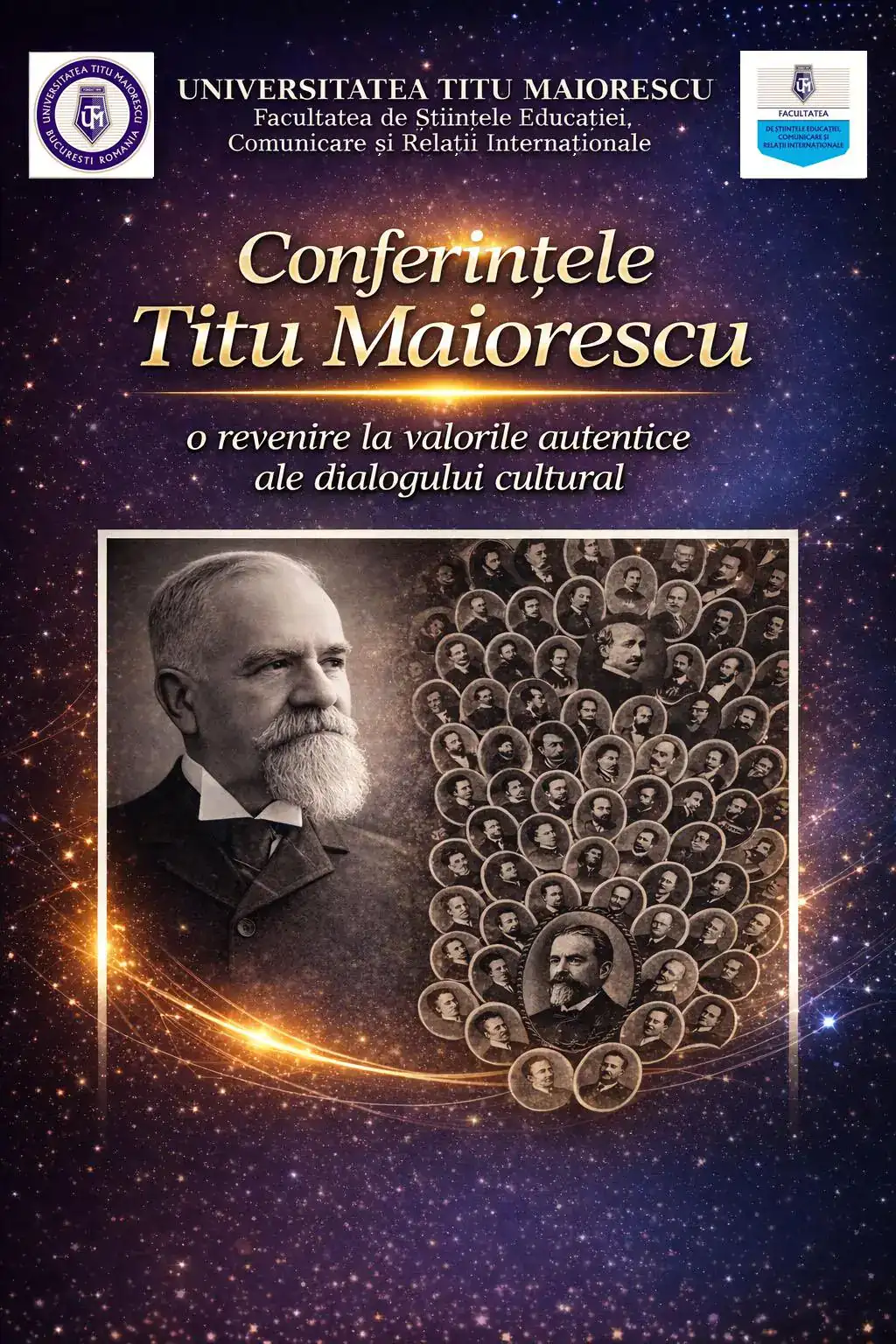
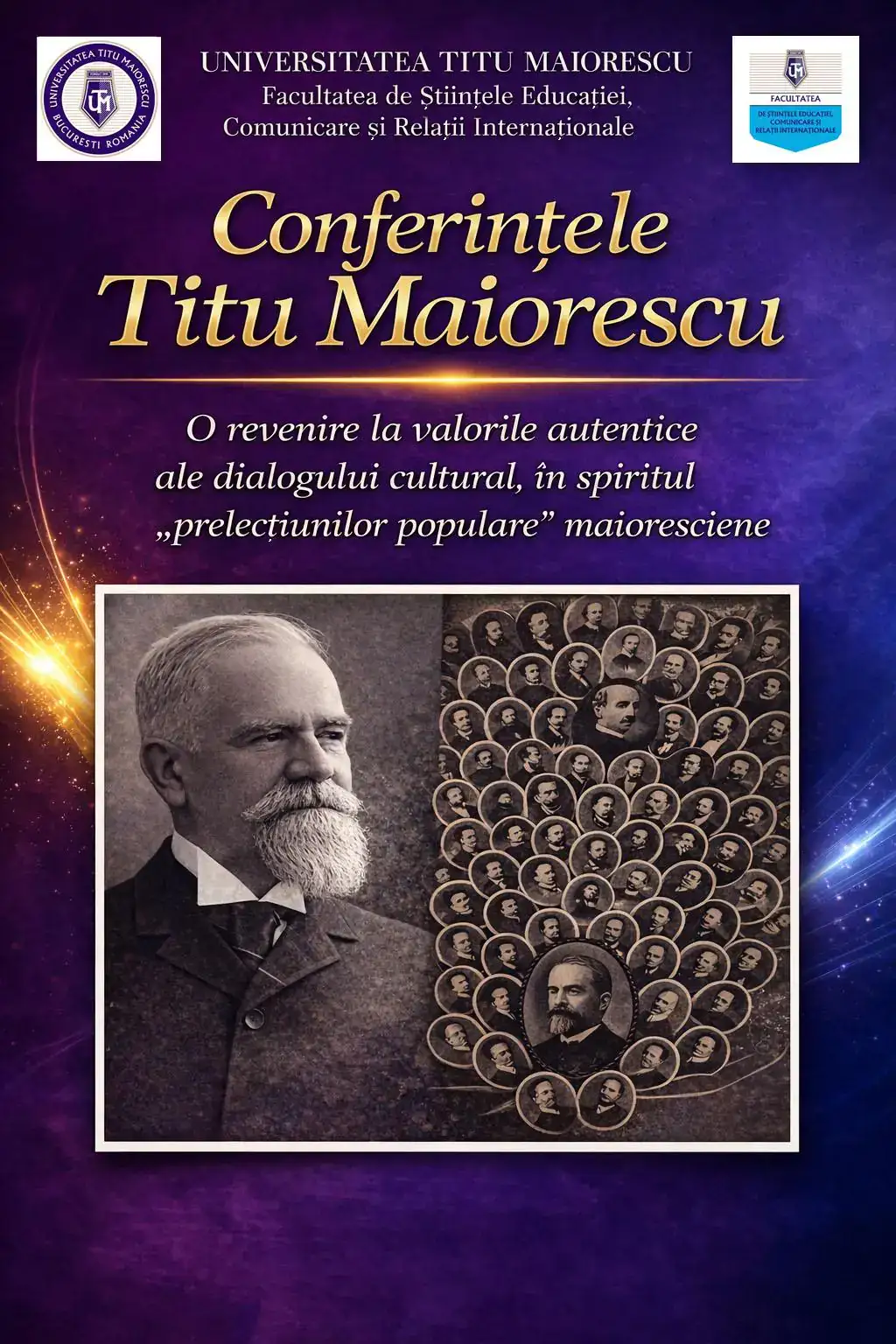
The Lectures of Titu Maiorescu
Project of the Faculty of Communication Sciences and International Relations
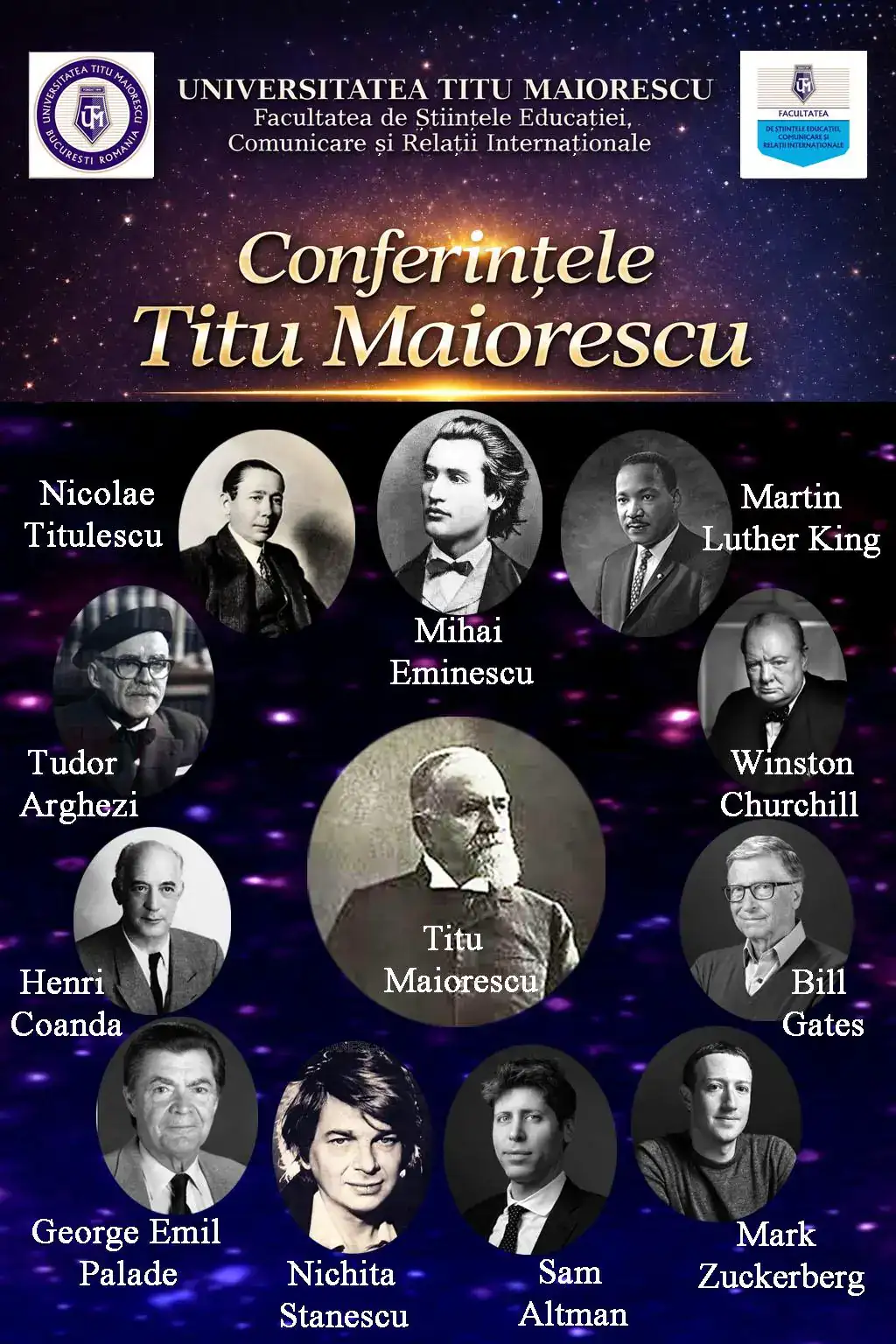
The Faculty of Communication Sciences and International Relations of Titu Maiorescu University organize TITU MAIORESCU CONFERENCES, an elite event of the Romanian academic space, where prestigious personalities from the academic, cultural, political, and public life in Romania and abroad give lectures and answer questions from the public. The conferences are held in a lecture-debate format, in an open, interactive manner.
Situated under the spiritual crest of „Titu Maiorescu” – the founder of modern Romanian civilization and culture –, on the generous territory of Alma Mater, TITU MAIORESCU CONFERENCES They aim to introduce essential themes to the public, provoke reflection, dialogue, and debate, and create an academic agora for the exchange of ideas.
In this conceptual framework, elite personalities from education, research, science, culture, and art participate, along with representative names from the academic world and public life, university faculty, students, and prospective students.
TITU MAIORESCU CONFERENCES thus represents, an open space for knowledge, in a world where Knowledge remains the fundamental factor of construction and progress.
The Faculty of Communication Sciences and International Relations at Titu Maiorescu University – a modern Alma Mater, built on the values of academic Europe, but open, creative, and innovative to the challenges of Knowledge in the third millennium – issues a challenge with each edition of the TITU MAIORESCU CONFERENCES. We invite you to accept it and respond in the same way: substantially, creatively, innovatively, under the banner of Idea and Knowledge!
University Professor, PhD, Sorin IVAN
Titu Maiorescu, Mihai Eminescu, two titans of culture, two educational institutions | Students from Mihai Eminescu National College Visit Titu Maiorescu University
On February 15, 2023, the students Mihai Eminescu National College in Bucharest participated in a cultural and educational event organized by Titu Maiorescu University. The event, held under the slogan „Education – the means of personal and social development”, It focused on triple meaning a day February 15: Titu Maiorescu's Birthday (1840-1917), Spiru Haret's Birthday (1851-1912), National Day of Reading. The event took place in the University's Aula Magna, where the strains of the academic anthem resounded. So let us rejoice, in the presence of a large audience, consisting of students and teachers.
The Rector of Titu Maiorescu University, University Professor Dr. Daniel Cochior, presented the University as a complex educational institution with the mission of academic education and scientific research, explaining its mission, structure, and functioning to the students. The fundamental objective of the University is the training and preparation of students as future professionals, high-performing and competitive in the labor market. Titu Maiorescu University is A modern, complex university, defined as a „university of advanced research and education,” with a „high degree of trust.”, awarded by ARACIS following the institutional evaluation, which includes: 10 faculties with 24 university undergraduate study programs, of which 19 are full-time (IF) and 5 are distance learning (ID), 21 master's programs covering 8 fields of university studies, and 3 accredited doctoral schools (Law, Medicine, and Dental Medicine), the Department of Specialty with Psycho-pedagogical Profile, the Preparatory Year for Romanian language, postgraduate courses. Titu Maiorescu University is an academic space for quality education, conducted under the sign of excellence, at all educational levels. This institutional reality is certified by The presence of Titu Maiorescu University in the Metaranking of Universities in 2021 and 2022, a ranking that includes the highest-performing Romanian higher education institutions. Through the results obtained in the teaching process and scientific research, through the high degree of graduate employability, and through the successful careers developed by them, Titu Maiorescu University qualifies as a quality university, which offers good prospects for development and realization of their potential for young people who opt for master's studies.
Dean of the Faculty of Communication Sciences and International Relations, Professor Sorin Ivan, PhD, he referred to the three meanings of February 15. The speaker presented the evolution of Titu Maiorescu and Spiru Haret, emphasizing the importance of education in the formation and development of these graduates of prestigious European universities: University of Berlin, University of Giessen, Sorbonne (Maiorescu), Sorbonne (Haret). Throughout their prodigious careers, in the service of building Modern Romania, these two professors, academics and politicians were involved in the modernization of Romanian education, considering education as a fundamental factor in the country's development. University professor, rector, politician, literary critic, writer, cultural mentor, Titu Maiorescu played a fundamental role in the process of national development, being considered „the founder of modern Romanian culture and civilization”. Beyond older or more recent „conspiratorial” speculations, Maiorescu played a major role in the literary consecration and existence of Mihai Eminescu. Spiru Haret, another prestigious figure in our history, a mathematician, university professor and academician, is the „great minister” of public instruction, the reformer of Romanian schools, the founder of modern Romanian education. The two founders, who placed education above all else, must remain Markers and patterns for today's youth, to inspire and motivate them in their growth and evolution through continuous learning and participation in the social development process. A means of intellectual and spiritual edification, of personal progress on all levels has been and remains reading. In the context of National Reading Day, the speaker made A plea for books, for the importance of reading among today's children and young people.
After the event concluded, students from Mihai Eminescu National College visited the university's teaching and research facilities – lecture halls, seminar rooms, laboratories – in anticipation of their student status, planned for the 2023-2024 academic year.
The Communication and Public Relations Office of Titu Maiorescu University in Bucharest
16.02.2023
A major European scientific event,
under the sign of academic excellence:
International Conference on Educational Sciences
On 03.23.2023, took place International Conference on Educational Sciences, 1st Edition, organized by Faculty of Educational Sciences, Communication and International Relations of Titu Maiorescu University in Bucharest. The first edition was presented under the banner of current events and perspective: Education in the Digital Age – developments, challenges, and trends. The event was aimed at education specialists, university faculty, researchers, doctors, doctoral students, and master's students in educational sciences from relevant faculties and Departments for Teacher Training. It was also open to pre-university education teachers and other participants from educational and research environments. The event took place in the Mediateca Hall of Titu Maiorescu University, in both physical and online formats, and was attended by a select group from Romania and abroad, both in the elegant multifunctional space of the University and in the virtual environment. The media partner of CISE I was the magazine Education Tribune.
The conference was structured into Plenary Session and Parallel Sessions and it has formed a framework for the specialized scientific and interdisciplinary approach to fundamental themes, both at the theoretical and conceptual level, as well as practical in relation to the reality of teaching, with transformations, processes, and developments in education: Theoretical and Conceptual Developments in Educational Sciences; Curriculum Design and Trends; Teacher Training in Universities; Technology Integration in the Educational Process; Digital Competencies in Education; Teaching Strategies, Methods, and Experiences; The Science and Art of Teaching; Traditional Learning, Digital Learning; Educational Paradigms; Psychopedagogical, Inter-, and Transdisciplinary Intersections in Educational Theory and Practice; Pedagogical Practice; Ethics, Deontology, and Integrity in Education; Counseling and Guidance; Inclusive Education; Child Social Assistance and Protection; Formal, Non-formal, and Informal Education; Lifelong Learning; Continuing Professional Development; Current Approaches and Trends in Assessment; Educational Management; Educational Programs and Projects; Didactic Master's Degree – DPPD; Educational Policies. The themes, covering a wide diversity specific to the vast field of education, were grouped into three sections: Theories and curriculum; Didactics and evaluation; Educational management (Section I); Interdisciplinary approaches; Counseling and guidance; Continuing education (Section II); Interface CrEgg-Computer in Education (Section III). Through the themes related to digital transformation in education, within the general topic, and through the third section, the Conference was positioned within avant-garde academic debate, processes, and developments in the educational space.
The Plenary Session Elite figures in academic education and scientific research participated, physically and online. These included renowned names in Educational Sciences, teaching, science, and culture, joined by personalities from abroad (Italy, Spain, France, Cyprus, Republic of Moldova). Among the Romanian speakers in the Plenary session were: Academician Mircea Dumitru, Vice-President of the Romanian Academy, President of the Philosophy, Theology, Psychology and Pedagogy Section, Director of the „Constantin Rădulescu-Motru” Institute of Philosophy and Psychology of the Romanian Academy, Prof. univ. dr. Emil Păun, Prof. univ. dr. Ioan Neacșu, Prof. univ. dr. Marin Manolescu, Prof. univ. dr. Sorin Cristea, Prof. univ. dr. Romiță Iucu, Prof. univ. dr. Ion-Ovidiu Pânișoară, Prof. univ. dr. Mușata-Dacia Bocoș.
Speakers from Plenary Session addressed Major themes of current education, which focused on developments and trends in European and national university and pre-university education, the need to redefine and adapt education to the demands of the Knowledge Society and the Digital Age, the change processes involving universities, the transformations in the Romanian education system, specific aspects related to the teaching profession and the status of teachers, fundamental values, ethics and integrity, the acute need for modernization and efficiency of education under the imperative of quality, as well as curricular policies and trends, teaching approaches, evaluation, educational management, and continuous training. Transformations and developments in the Romanian educational system were analyzed, along with the direction of change in education, highlighting sensitive aspects and critical points, necessary requirements, difficulties, challenges, and possible solutions in the highly complex process of change. Framed within Thematic and innovative spirit of the Conference, The interventions by foreign speakers addressed themes related to developments in education at the European level, new learning paradigms, interdisciplinary strategies and approaches, as well as the challenges faced by educational systems and the need to optimize them within the European framework of educational vision and values. The lectures in the Plenary Session were notable for their vision, scope, and erudition, for their objective, lucid, and realistic approach, in the spirit of constructive criticism aimed at developing education as a system and process marked by quality, efficiency, and performance. The debate in Plenary continued in Parallel Sessions, through papers that addressed the themes proposed by the Conference and topics derived from them, in a broad thematic diversity, within the ample framework of the modernization of education with the involvement of digital technology. Remarkable are both the large number and variety of communications, as well as their quality and academic level. The papers will be included in volume of proceedings at the Conference, which will be edited at an academic press.
The first edition of International Conference on Educational Sciences It was a true academic marathon under the banner of quality and scientific excellence, supported by a prestigious participation. The conference, born out of the objective need to create a comprehensive framework for scientific expression and qualified debate at the highest academic standards on the topic of Education, constituted an elite space for scientific dialogue, elevated exchange of ideas, and European-level knowledge transfer. Judging by the participation, content, and the national and international feedback already received, CISE I was academic success, ; which will be continued in future editions.
The Communication and Public Relations Office of Titu Maiorescu University in Bucharest
25.03.2023